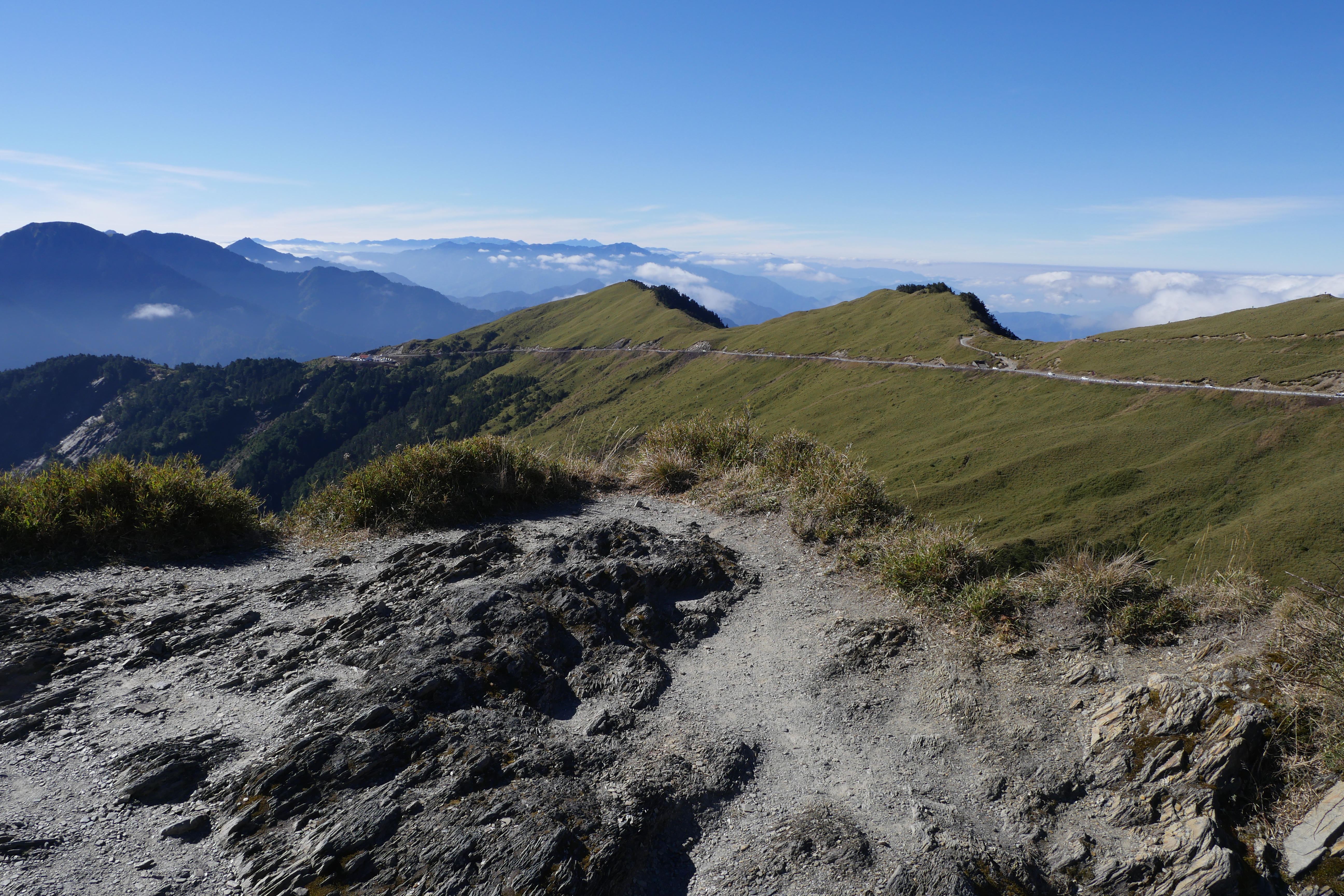
Before your child turns eighteen, you create a map for them. Not a digital file or a list of coordinates, but a physical artifact—a paper map, aged with tea stains and old pencil marks, sealed in a leather case that smells of time and intention. This map marks seven destinations across the world, each one chosen not for its beauty or fame, but for what it can teach. Each location holds an adventure, a challenge, and a piece of wisdom you’ve written specifically for this place, for this moment in your child’s development.
You present the map on their eighteenth birthday with a single instruction: Complete this pilgrimage before you turn thirty. Take as long as you need between destinations. Go alone or bring companions, but the challenges are for you. At each location, you’ll find an envelope I’ve arranged to be delivered. Inside is a piece of wisdom to serve as your guide for the destination.
The trip plan is not a vacation. It is an inheritance of experience, a map of wisdom made tangible, a way of saying: I cannot walk beside you forever, but I can show you a beautiful world and the wisdom it has to offer.
Destination One: The Cliffs of Moher, Ireland
The Lesson: Courage in the Face of the Vast Unknown
Your child arrives in Doolin at dawn, the Atlantic wind already howling. Before they begin the coastal walk to the cliffs, they find an envelope tucked inside their accommodation’s guestbook, marked with their name. Inside, a card with words meant to be read before the journey begins:
“To stay with that shakiness—to stay with uncertainty and groundlessness—is the only way to train in fundamental fearlessness.”
— Pema Chödrön
Along with it instructions for their first adventure. They fold the card, slip it into their pocket, and begin walking. The path winds along cliffs that drop 700 feet into churning ocean below. The challenge: Walk this path alone to the highest point, then stand at the edge for ten minutes without stepping back, without looking away. Feel the vertigo. Feel the smallness. Feel the scale of the cliffs and how much strength it takes to stay.
The first destination is about the power of courage. Your child learns that bravery isn’t recklessness—it’s presence in the face of vastness, the willingness to feel afraid and stay anyway.
Destination Two: Fushimi Inari Shrine, Kyoto, Japan
The Lesson: Solitude as a Path to Self-Knowledge
Your child arrives at the base of Mount Inari at 3:30 AM, darkness still thick around the first torii gate. A monk you’ve arranged to meet them there bows silently and hands them a folded piece of paper. They read it by phone light before the climb begins:
“In the highest heavens of poetry, there is only silence.”
— Matsuo Basho
They tuck the paper away and begin the ascent. The challenge: Hike the entire trail alone—no phone, no music, no companions—through ten thousand red torii gates winding up the mountain through forest and stone. Reach the summit by sunrise. Walk in silence. Let the gates become a meditation. Let the solitude reveal what noise usually covers.
After courage comes the ability to be alone without fear. Your child learns that solitude isn’t isolation—it’s the practice of self-companionship, the foundation of knowing who they are when no one else is watching. The words shared are a gift, confirming what the silent walk has to teach.
Destination Three: The Sahara Desert, Morocco
The Lesson: Surrender to What Cannot Be Controlled
Your child arrives in Merzouga and meets their guide for a three-day trek into the Erg Chebbi dunes. Before they depart, the guide hands them a small waterproof container. Inside is a card:
“You do not have to be good. You do not have to walk on your knees for a hundred miles through the desert repenting. You only have to let the soft animal of your body love what it loves.”
— Mary Oliver
They read it, seal it back in the container, and carry it with them into the desert. The challenge: Spend one full night alone in the dunes, sleeping under stars with no tent, no fire, no shelter. Let the vastness swallow you. Let the silence become deafening. Let the cold and the dark and the endlessness teach you what it means to surrender control.
After learning to stand strong and walk alone, your child must learn to let go. The desert strips away the illusion of control and replaces it with trust—in the world, in themselves, in the unfolding of things beyond their command.
Destination Four: The Camino de Santiago, Spain
The Lesson: Connection Through Shared Struggle
Your child arrives in Sarria to begin the final 100 kilometers of the Camino to Santiago de Compostela. At the pilgrim’s office where they receive their credential, an envelope waits with their name on it. Inside, words to carry for the next week:
“There is no greater agony than bearing an untold story inside you. But there is a profound grace in walking beside someone who is telling theirs.”
— Maya Angelou
They begin walking with those words in their pack. The challenge: Walk with strangers. Share meals, blisters, stories, silence. Let people in. Carry someone’s pack when they’re struggling. Let someone carry yours. Arrive at the cathedral not alone, but accompanied by people you didn’t know a week ago and will never forget.
After solitude and surrender, your child learns that isolation is not strength. True resilience comes from allowing others in, from building bonds through shared experience, from recognizing that we are all pilgrims walking the same uncertain path.
Destination Five: Patagonia, Argentina
The Lesson: Creativity as Response to Beauty
Your child arrives at the trailhead for Laguna de los Tres in Los Glaciares National Park, preparing to camp overnight and witness sunrise over Mount Fitz Roy. Taped to the trail marker is a small metal tin with their name etched on it. Inside, a card:
“The aim of art is to represent not the outward appearance of things, but their inward significance.”
— Aristotle
They read it, pack it away, and begin the hike carrying a journal, paints, a camera, or an instrument. The challenge: Spend four hours at the lagoon creating something—a poem, a painting, a song, a series of photographs. Not to share, not to post, but to practice responding to beauty with creation. Let awe become art.
After connection comes the practice of individual expression. Your child learns that creativity isn’t reserved for artists—it’s the human response to being alive, the way we transform what we receive into what we give back. The words offer validation that what they’re creating matters, even if no one else ever sees it.
Destination Six: Varanasi, India
The Lesson: Acceptance of Impermanence and Death
Your child travels to the ghats of the Ganges River and witnesses the burning of bodies at Manikarnika Ghat, where Hindus cremate their dead in public view. The challenge: Sit at the ghat for three hours at dusk. Watch the fires. Watch the families. Watch the river carry ash and flowers downstream. Meditate on mortality—not morbidly, but honestly. Let death teach you how to live.
As they leave the ghat, a guide you’ve arranged in advance approaches and hands them an envelope. Inside, words that cut through illusion:
“The fear of death follows from the fear of life. A man who lives fully is prepared to die at any time.”
— Mark Twain
After creativity comes the hardest lesson—acceptance of endings. Your child learns that death is not something to fear or avoid, but the truth that gives life its weight, its beauty, its desperate preciousness.
Destination Seven: The Northern Lights, Iceland
The Lesson: Joy in the Presence of Wonder
Your child arrives in Iceland in winter and checks into their accommodation in Reykjavik. An envelope waits at the front desk. Inside, words to carry as they chase the aurora:
“The world will never starve for want of wonders; but only for want of wonder.”
— G.K. Chesterton
They read it and begin the search. The challenge: Find the lights. It may take days of waiting, driving through darkness, sleeping in the car, scanning the sky. But when they appear—green and violet and dancing—stand beneath them for as long as they last. No photos. No distractions. Just witness. Let joy be enough.
The pilgrimage ends not with struggle or solemnity, but with wonder. After courage, solitude, surrender, connection, creativity, and acceptance, your child learns the final lesson—that life, despite everything, is worth celebrating. That joy is not frivolous. That beauty is not optional. That wonder is the point.
Completing the Pilgrimage
When your child returns home after the seventh destination, you sit together with the map spread between you. They tell you what each place taught them. You listen. You witness what the journey made of them.
Then you take the map and add one final mark: a small symbol at your home, labeled “Destination Eight.” Beneath it, you write:
“The final destination is always here. The journey was never about leaving, but learning what to bring back. Your home will always be where your family is waiting to receive you.”
The map becomes a family heirloom. One day, your child may create their own version for their children—different destinations, different lessons, but the same inheritance: a parent’s love made geographic, wisdom made tangible, a way of saying I cannot walk beside you forever, but I can show you where to walk when in search for hope.

