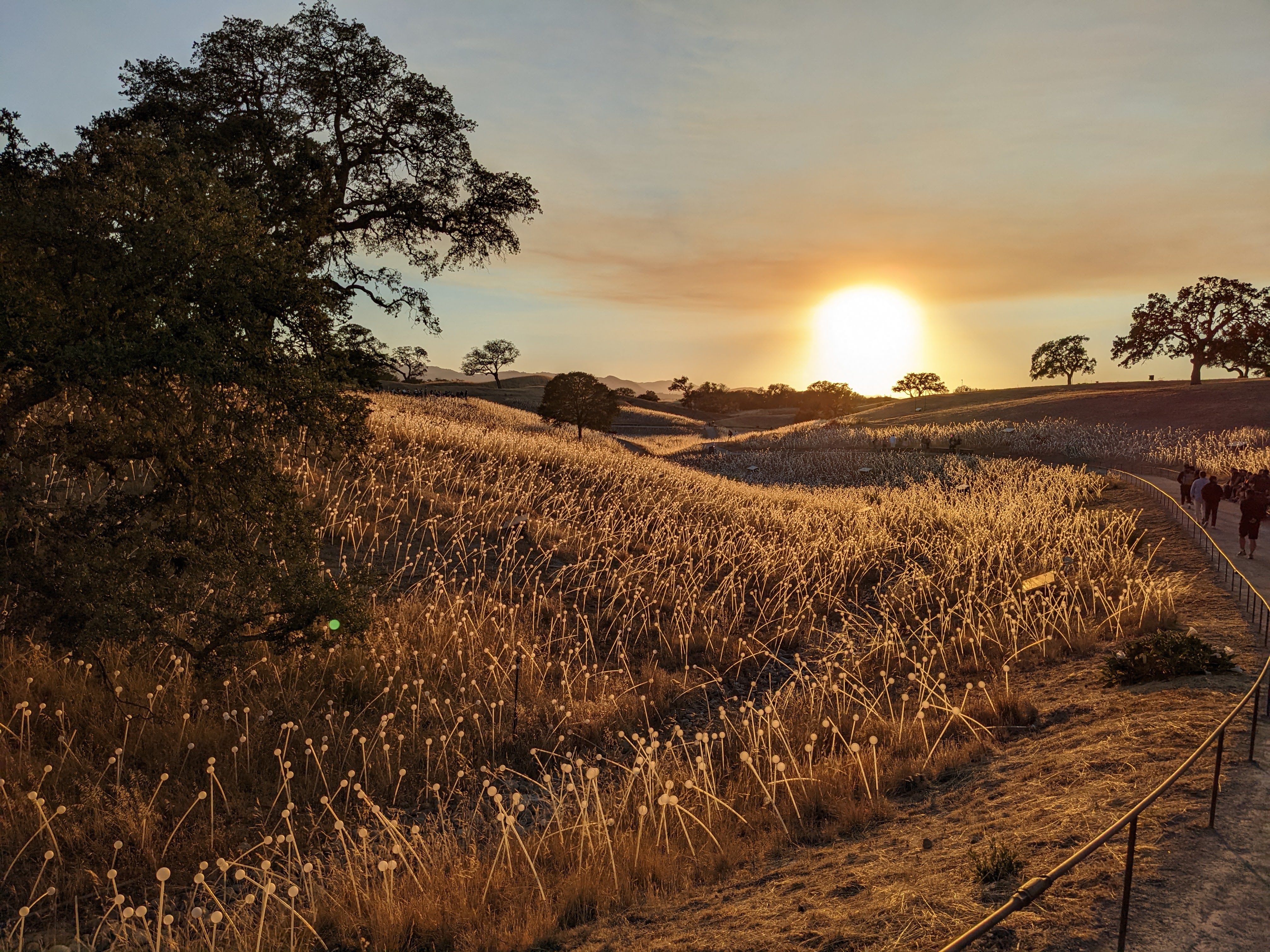
Choose one week to become cosmologically illiterate. Deliberately forget everything you’ve been taught about how the universe works—no gravity, no nuclear fusion, no evolutionary biology, no quantum mechanics. You’re wiping the lens completely clean, not to reject science but to remember what it felt like before someone else’s explanations colonized your capacity for wonder.
Start alone. Spend three days observing natural phenomena as if you’ve never heard an explanation for anything. Watch the sun rise and set. Study the moon’s phases. Notice how water flows, how fire moves, how birds navigate, how your own breath enters and leaves. Don’t reach for inherited answers. Just witness with the confusion of a child who hasn’t yet been taught what things “are.”
On day four, begin building your personal cosmology. Create explanations that feel true to you, not scientifically accurate. Write them down with conviction:
The stars are souls of the dead, each one a person who loved so fiercely they couldn’t fully disappear. The brightest stars loved the hardest. Shooting stars are souls finally ready to let go.
The stars are fragments of earth that broke free during the planet’s formation, slowly making their way back to the surface. In ten billion years, they’ll rain down as light made solid, and the ground will glow.
The earth is a disk and the sky is another disk, and they grind against each other like millstones. Sunset is the collision point where friction creates fire. Dawn is where they separate, and the gap lets light leak through.
Don’t make them metaphors. Immerse yourself in the belief structure for the duration of the practice. Let your cosmology be internally consistent but utterly yours. If rain is the sky weeping, then thunder is its grief made audible. If trees are earth’s hair, then forests are where the planet feels most beautiful.
Document your mythology in a physical book—illustrations, diagrams, creation stories, explanations for everything you observe. Make it as detailed as any scientific text. Give phenomena names in your own invented language. Create rituals based on your cosmology: if stars are returning earth-fragments, leave offerings at night to welcome them home. If sunset is collision-fire, witness it as a daily catastrophe and survival.
When the project is over, return to scientific explanations. Read about nuclear fusion, gravitational lensing, evolutionary adaptation. Notice that the facts haven’t changed, but your relationship to them has. You’ve remembered that all explanations—scientific or mythological—are stories we tell to make the incomprehensible manageable. Science is a particularly useful story because it predicts and manipulates, but it’s not the only story that creates meaning.
The revelation: You’ve spent your entire life seeing through lenses other people ground for you—scientific, religious, cultural. Those lenses are powerful and useful, but they’re not neutral. They’ve cleaned certain things into focus and blurred others into irrelevance. Creating your own cosmology isn’t about rejecting truth; it’s about remembering that meaning-making is a human capacity you’re allowed to exercise. The universe doesn’t care what story you tell about it. But you care. And reclaiming the right to author your own explanations—even temporarily, even playfully—is reclaiming the part of consciousness that can look at the world and say: I decide what this means. You’re not discovering what’s true. You’re discovering that you contain the capacity to make truth, and that capacity has been there all along, waiting for permission to speak.

