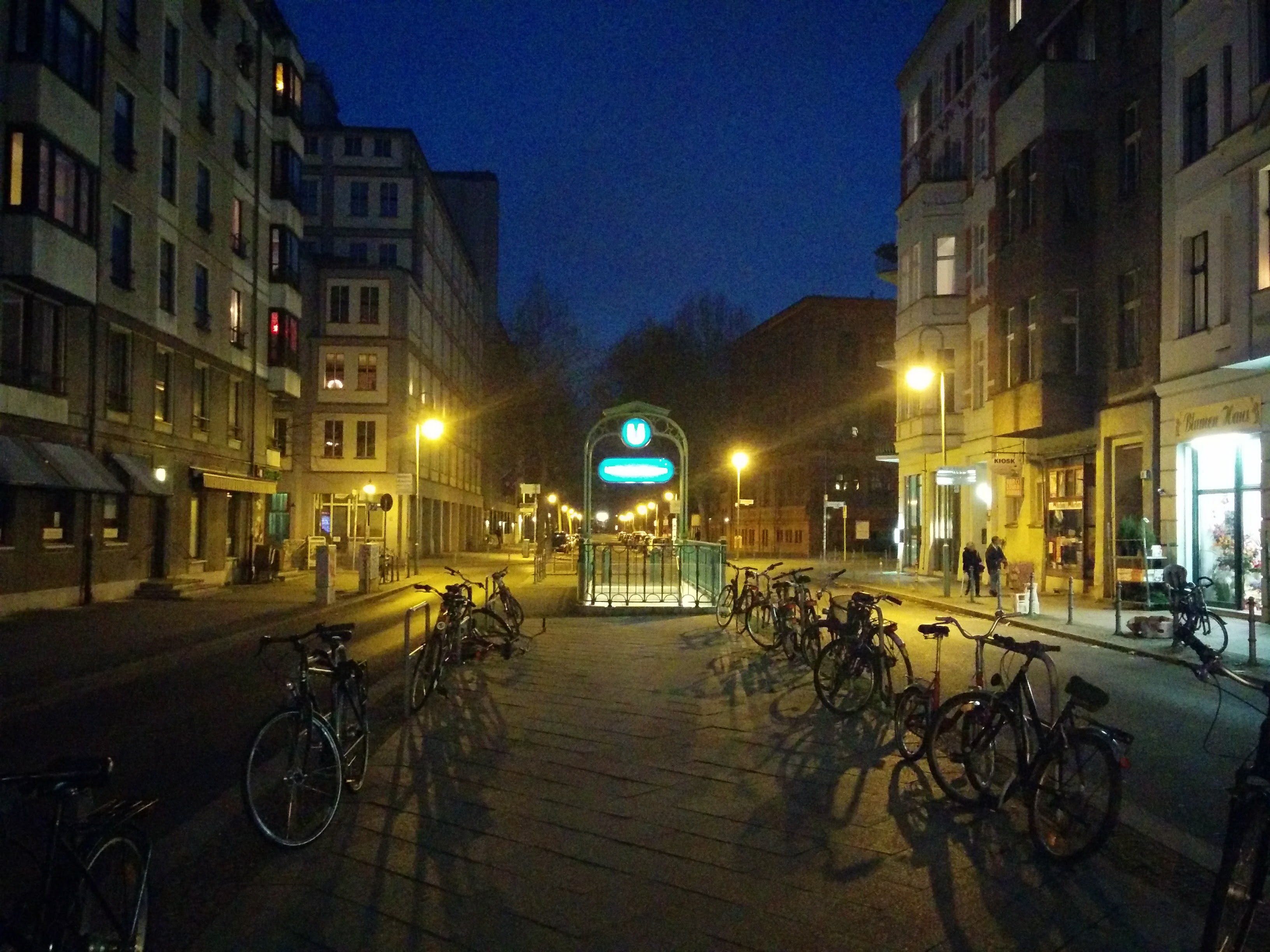
Here’s an experiment in patience and surrender: go to a train station and sit for an hour without a destination. You’re not catching a train. You’re not waiting for anyone. You’re just sitting with the arrival and departure, watching the constant movement of humans between places. Don’t scroll. Don’t distract yourself. Just sit and observe.
Train stations are the purest liminal spaces—nobody here is settled. Everyone is leaving something or arriving at something. The platform becomes a stage of human transition: reunions, goodbyes, anticipation, exhaustion, hope. People who don’t normally let their guards down show their vulnerability here. You see a soldier hugging his mother. A woman crying quietly at a departures board. A child pressed against the window, eyes wide with the bigness of the world. The architecture itself is designed for movement, yet you’re choosing stillness. You’re choosing to really see the threshold instead of rush through it.
What happens is this: in the space between all that movement, something unexpected settles inside you. It’s not about the trains. It’s about witnessing the epic ordinariness of human transition—the constant small deaths and rebirths that make up a life. Somewhere in that hour, the bliss arrives: you realize you’re always in motion, always transitioning, always between one version of yourself and the next. The train station becomes a mirror for every threshold you’ll ever cross.
Turns out the most profound moments don’t happen in destinations—they happen in the spaces between where people are going, where everyone admits they’re in the middle of something, when you’re patient enough to witness all the transitions that make up every human life.
 Life Arts Laboratory