Gather four to six friends for an eight-week acoustic pilgrimage across landscapes, learning to hear what you’ve been deaf to. Bring recording equipment, instruments, and open ears. Each destination, you’ll spend days recording the soundscape—wind, water, birds, insects, stones, ice—then compose collaborative sound art that captures the voice of that place. This isn’t field recording as documentation; it’s deep listening as spiritual practice, learning that every landscape is singing if you’re patient enough to hear it.
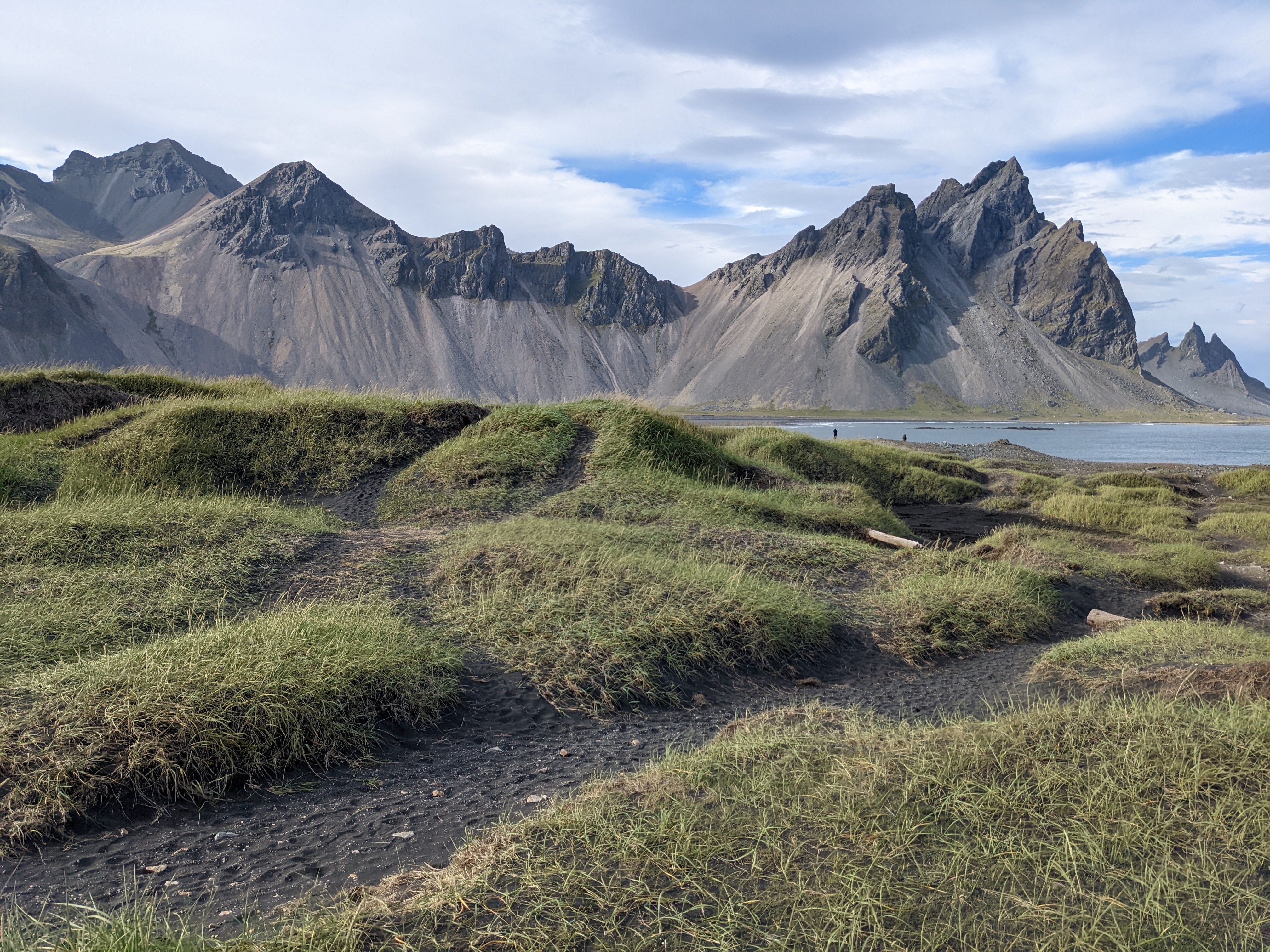
Begin in Iceland. Trek to Skógafoss waterfall and record its thunder for hours, capturing how the sound changes with wind and light. Hike to geothermal areas and record the earth breathing—steam hissing, mud bubbling, the low rumble of magma beneath your feet. At night, record silence in the highlands, discovering it’s not silent at all—there’s wind over grass, distant bird calls, the sound of your own heartbeat amplified by stillness.
Each evening, gather with headphones and laptops. Listen to the day’s recordings together. One friend might loop the waterfall’s bass frequencies. Another layers bird calls into melody. Someone adds field recordings of footsteps on volcanic gravel as percussion. You compose together, arguing about which sounds to feature, which to bury, how to structure the piece so it tells the truth about what that place feels like.
Move to the Amazon. Record the jungle’s overwhelming polyphony—howler monkeys, insects, rain on leaves, the river’s constant rush. In the Sahara, record wind sculpting dunes, the eerie silence of sand, your own breathing in vast emptiness. In New Zealand, record waves against cliffs, native birds, wind through ferns. In Japan, record temple bells, bamboo forests creaking, snow falling on stone gardens.
By journey’s end, you’ve created an acoustic atlas—six collaborative compositions, each one a sonic portrait of a landscape. But more importantly, you’ve learned to listen. You return home hearing your city differently—traffic becomes rhythm, construction becomes percussion, conversation becomes melody. The world has always been singing. You just needed to learn its language.

