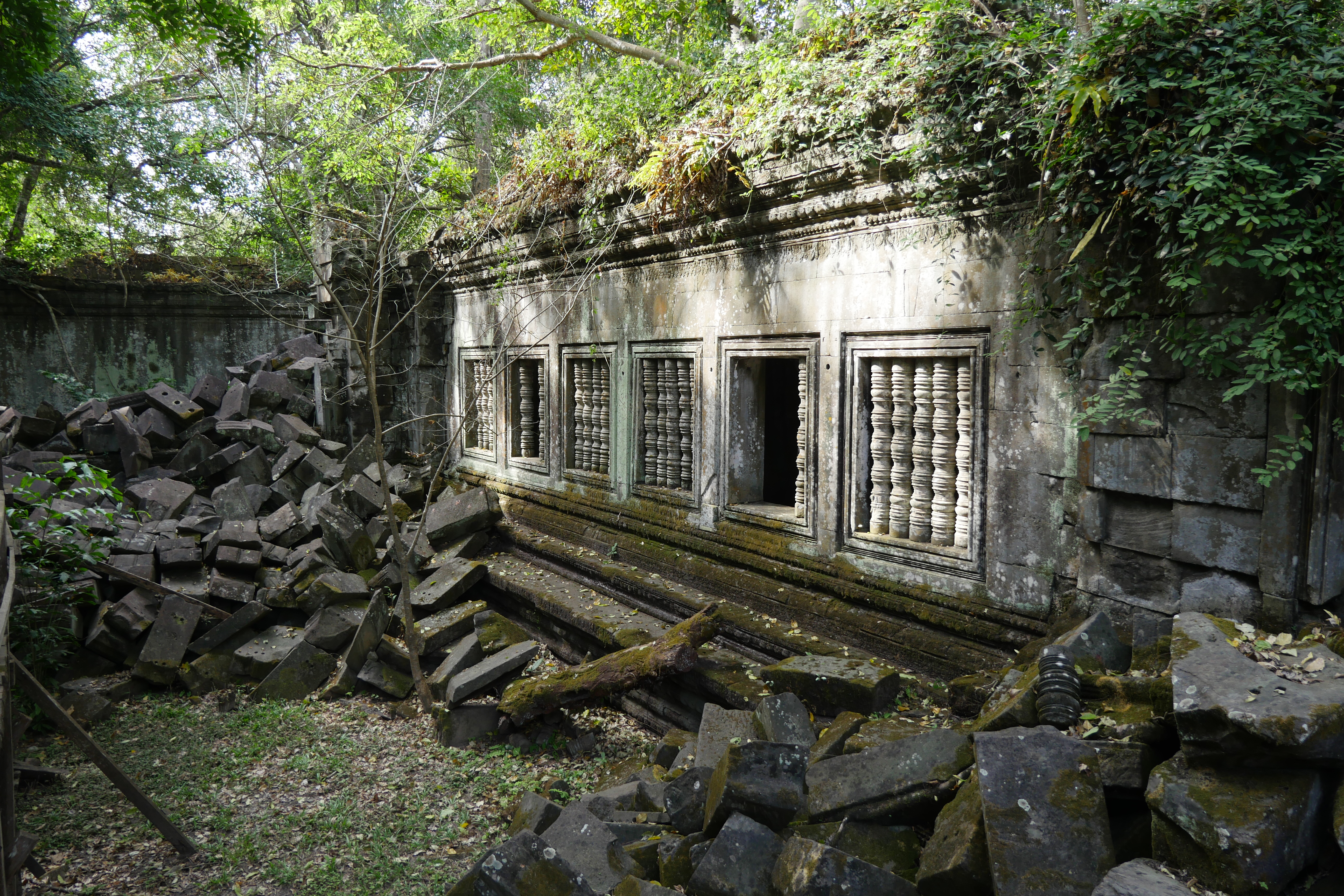
Plot a route around the world that touches only sites of dead civilizations. Not museums or tourist destinations—the actual bones of places: Angkor Wat, Petra, Timbuktu, Cahokia, Göbekli Tepe, Mohenjo-daro, the ruins of Great Zimbabwe. One continent at a time. The constraint isn’t comfort or efficiency; it’s that you only sleep, eat, and move within the footprint of what once thrived and now doesn’t. You’re following the ghost map of human ambition.
As you go, track one question obsessively: what did they believe would last forever? What did they build expecting eternity? Then document what actually survived—often the opposite of what mattered to them. Their temples crumbled; their sewage systems endured. Their monuments failed; their kitchen middens tell the real story. The journey becomes a reckoning: a slow, accumulating meditation on impermanence, hubris, and the things we’re building right now that future archaeologists will find incomprehensible.You’ll start to notice patterns. Every civilization thought theirs was the permanent one. Every age believed it had figured out the formula. And every one became dust. This is travel as memento mori—a pilgrimage through the graveyard of certainty, a reminder that everything we’re building is already becoming archaeology.
 Life Arts Laboratory