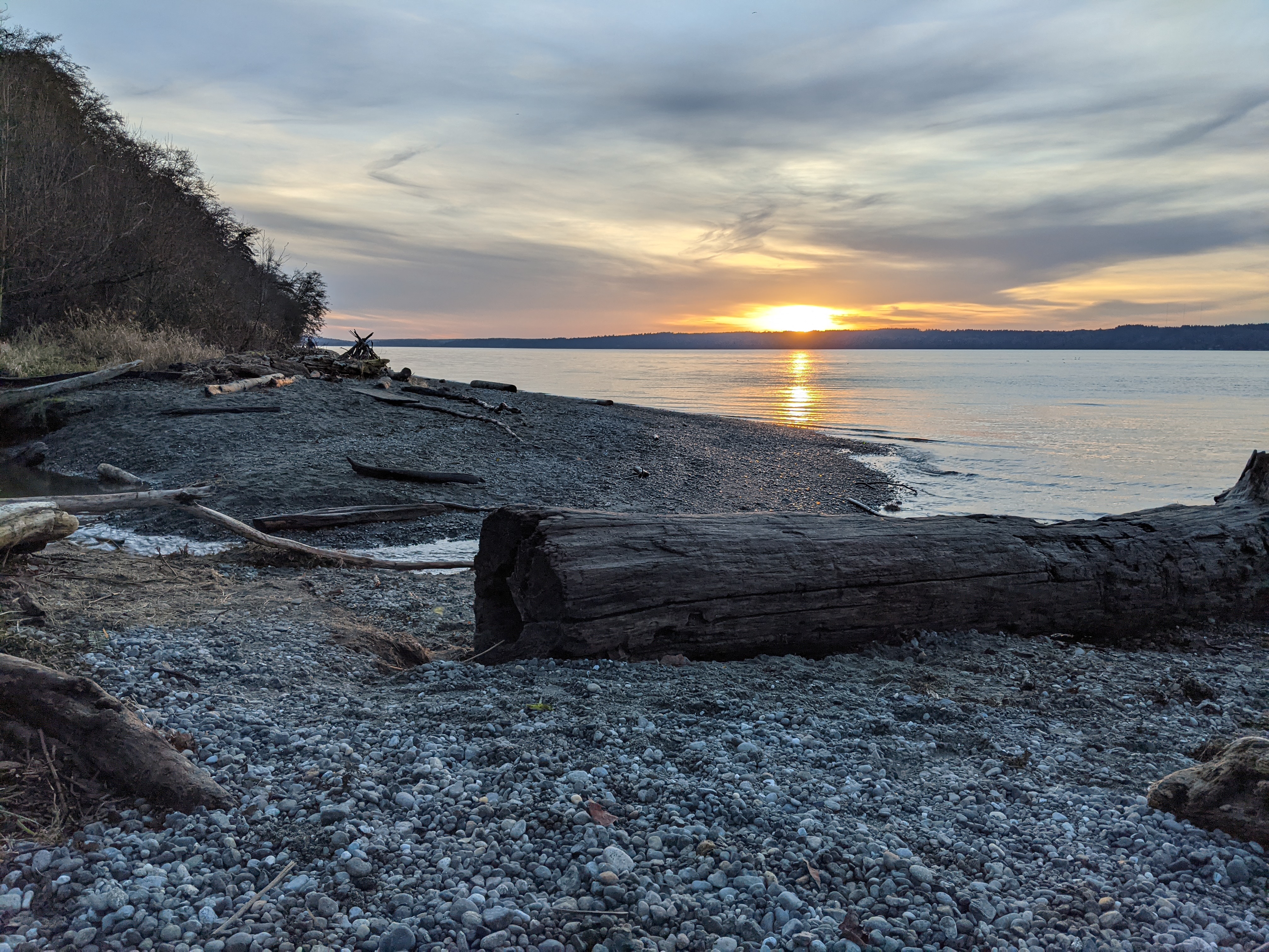
Choose one specific location—a particular bench in a park, a corner table at a café, a spot on a bridge—in a city you’ve never been to. Then spend the next year traveling anywhere you want, but design every journey so that it eventually spirals back to that exact spot. Go to Tokyo, then find your way back to that bench in Prague. Fly to Cape Town, then return to that corner table in Istanbul. Travel to Peru, then make your way back to that spot on the bridge in Copenhagen. Each time you return, sit in the same place for exactly one hour. Write down what’s changed—in the city, in the season, in yourself. Leave a small mark that only you would notice—a scratch on the wood, a coin wedged in a crack, your initials hidden somewhere. The location becomes your anchor point, your personal axis mundi, the place where all your travels intersect. By the fourth return, you’ll start to feel like you’re visiting an old friend. By the seventh, you’ll realize this random spot knows you better than most people do. You’ll watch it through seasons, through years, through versions of yourself. Other people will sit there between your visits, completely unaware that this unremarkable place is the center of someone’s entire travel universe. When you finally stop returning—and eventually you will—that spot will continue existing without you, holding all the versions of yourself you left there. This is travel as recursive pilgrimage, as proof that meaning isn’t found in places but created through return, as evidence that the most sacred sites are the ones we choose rather than inherit.
 Life Arts Laboratory