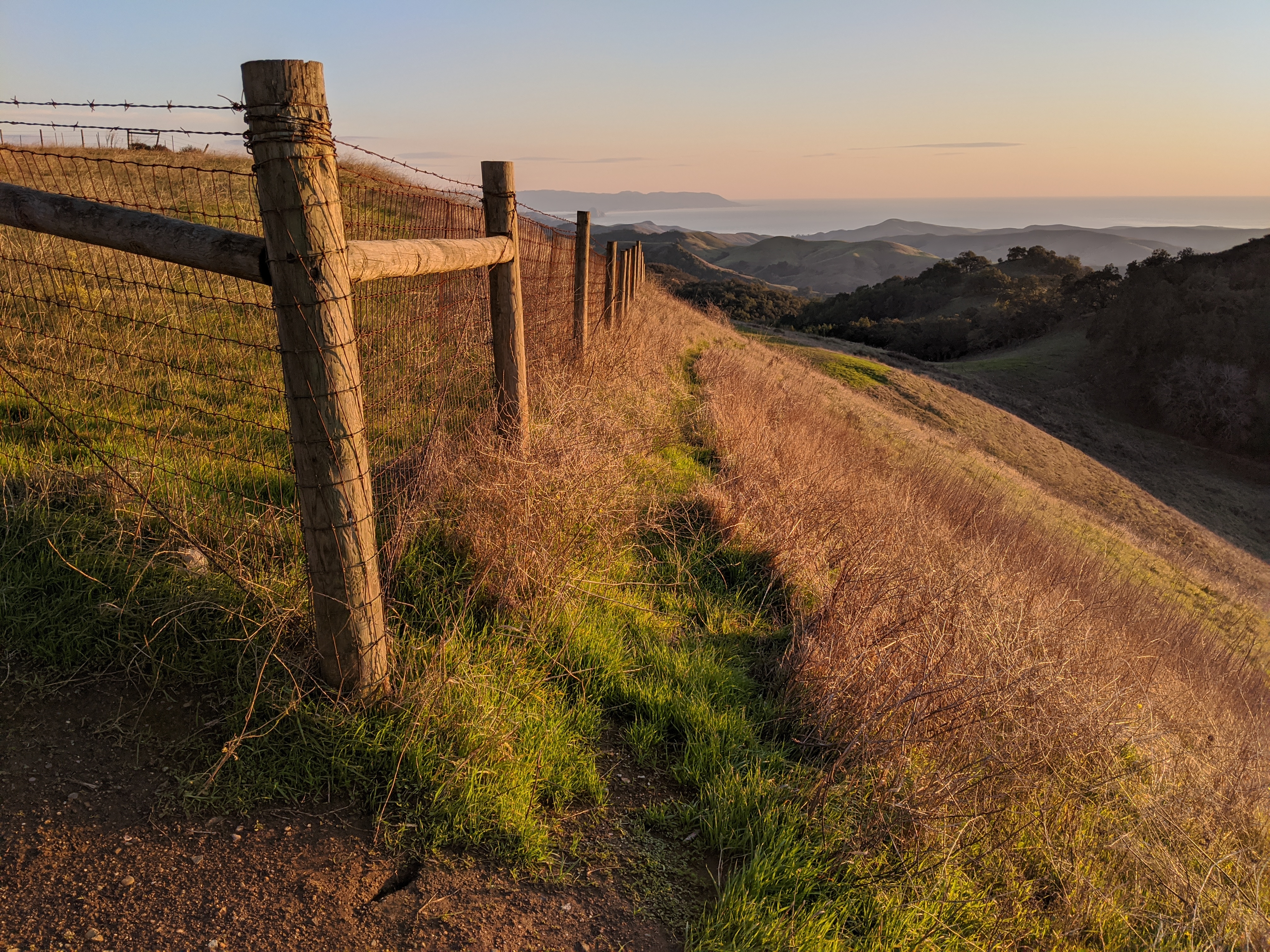
Choose a ridge. Not the most famous one or the hardest—just one that makes you feel something. A ridge with a view that stops your breath, where the trail follows the spine of the mountain and the world drops away on both sides. Mark it on your calendar. This is your ridge now. You’ll walk it every year for the rest of your life.
Pack your drone. Hike to the top and launch it. Film yourself from above—a tiny figure moving along that narrow line between earth and sky. Capture the sweep of the landscape, the way the trail curves, the shadow you cast. Keep the footage cinematic. Add music later—something that matches the season, your mood, the light that year. Save it. Label it with the year.
Do this again next year. Same ridge, same ritual. You’ll notice things: you’re slower on the switchbacks, you stop more often to catch your breath, your knees complain on the descent. The drone footage shows it too—your stride shortens, your pace changes. But the ridge stays the same. The view never gets old.
Keep going. Year after year. Watch your body age against that unchanging landscape. The ridge becomes a measuring stick for time, for what you’re losing and what remains.
One day you’ll realize you can’t do it anymore. Your knees won’t make it. Your lungs won’t hold. That’s when you sit down with all those years of footage and splice the highlights together. Add narration—not about conquering the ridge, but about showing up. About how the same trail felt different every year. About what it meant to keep returning.
Share it with your family. Post it for future hikers. Let them see what you saw: that the ridge doesn’t care how old you get or how slow you move. It just waits. And when you can’t walk it anymore, someone else will. They’ll stand where you stood and feel what you felt.
Turns out the ridge was never about you. It was about passing something forward—proof that beauty endures, that some things are worth returning to, that the trail goes on even after you can’t.
 Life Arts Laboratory