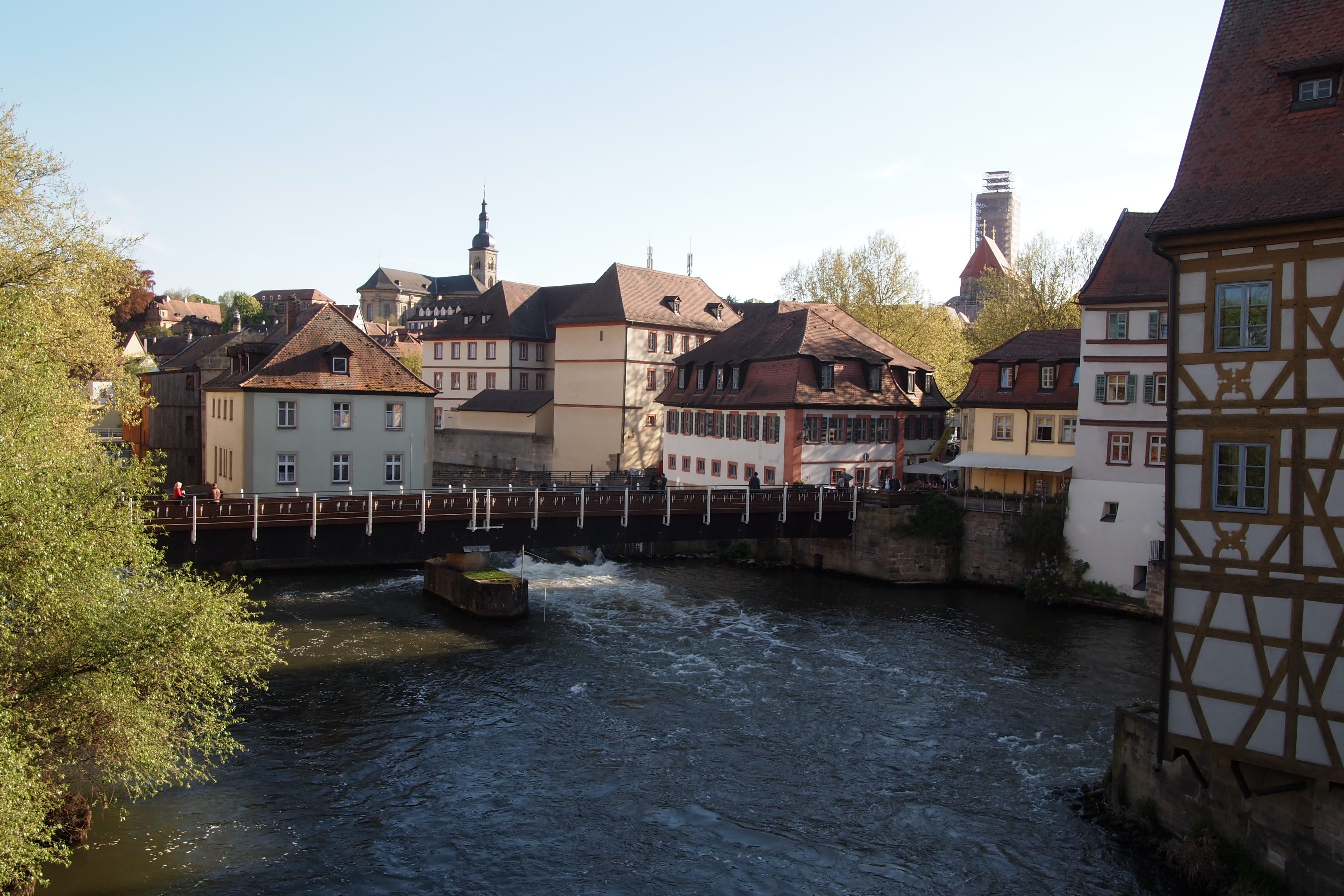
You rent a narrow boat in Amsterdam and begin drifting south through the canals of Europe. For thirty days, you will float through the Netherlands and into France, reading one complete book each day. Not skimming. Not half-reading. One book, cover to cover, while the water carries you past windmills, stone bridges, medieval towns, and fields of sunflowers. The boat becomes your library. The canal becomes your reading chair. Literature and landscape merge into a single experience.
Each morning, you choose a book. Classic novels, poetry collections, philosophy, memoirs—works that demand attention and reward it. You settle into the boat’s small deck with coffee and begin reading as the sun rises over the water. The world moves slowly here. The canal dictates your pace. You read while drifting past cyclists on towpaths, past houseboats with flower boxes, past villages where church bells mark the hours. The book and the journey become inseparable—you’ll forever associate The Stranger with the flat Dutch countryside, Leaves of Grass with the Loire Valley’s green banks.
By late afternoon, you’ve finished. Your eyes are tired. Your mind is full. You’ve lived inside someone else’s sentences for eight hours. Now comes the ritual: you take a large bookmark—thick cardstock, beautiful—and you mark the single page that moved you most that day. Maybe it was a passage about loneliness that made you pause. Maybe it was a line so perfectly constructed it blew you away. Maybe it was a moment of recognition, where you saw yourself in someone else’s words.
On the bookmark, you write one sentence: why that passage mattered to you today, in this place, on this water. Not an essay. Just one honest line. Then you dock the boat.
You find the first person you see. A woman closing her shop. A man walking his dog. A teenager sitting on a bench. You approach them and offer the book. “I just finished this,” you say. “I thought you might want it.” You hand them the book with the bookmark inside, marking your most treasured page. You give them the story that carried you through the day, marked at the moment that mattered most.
Some people look confused. Some smile. Some flip immediately to the marked page and read your sentence. You never know what they do with it after you leave. Maybe they read it that night. Maybe they pass it to someone else. Maybe it sits on their shelf for years before they open it.
By day thirty, you’ve given away thirty books. Thirty strangers across two countries now hold stories you’ve marked with your attention. You’ve left a trail of literature through Europe—breadcrumbs of meaning scattered in places you’ll never return to. The books become offerings. The bookmarks become confessions. You’re teaching yourself that the most profound moments don’t need to be kept—they can be given away to people you’ll never see again, trusting that meaning finds its way to those who need it.
You arrive in Lyon with an empty boat and a full heart, having learned that the best way to honor a story is to pass it on.

