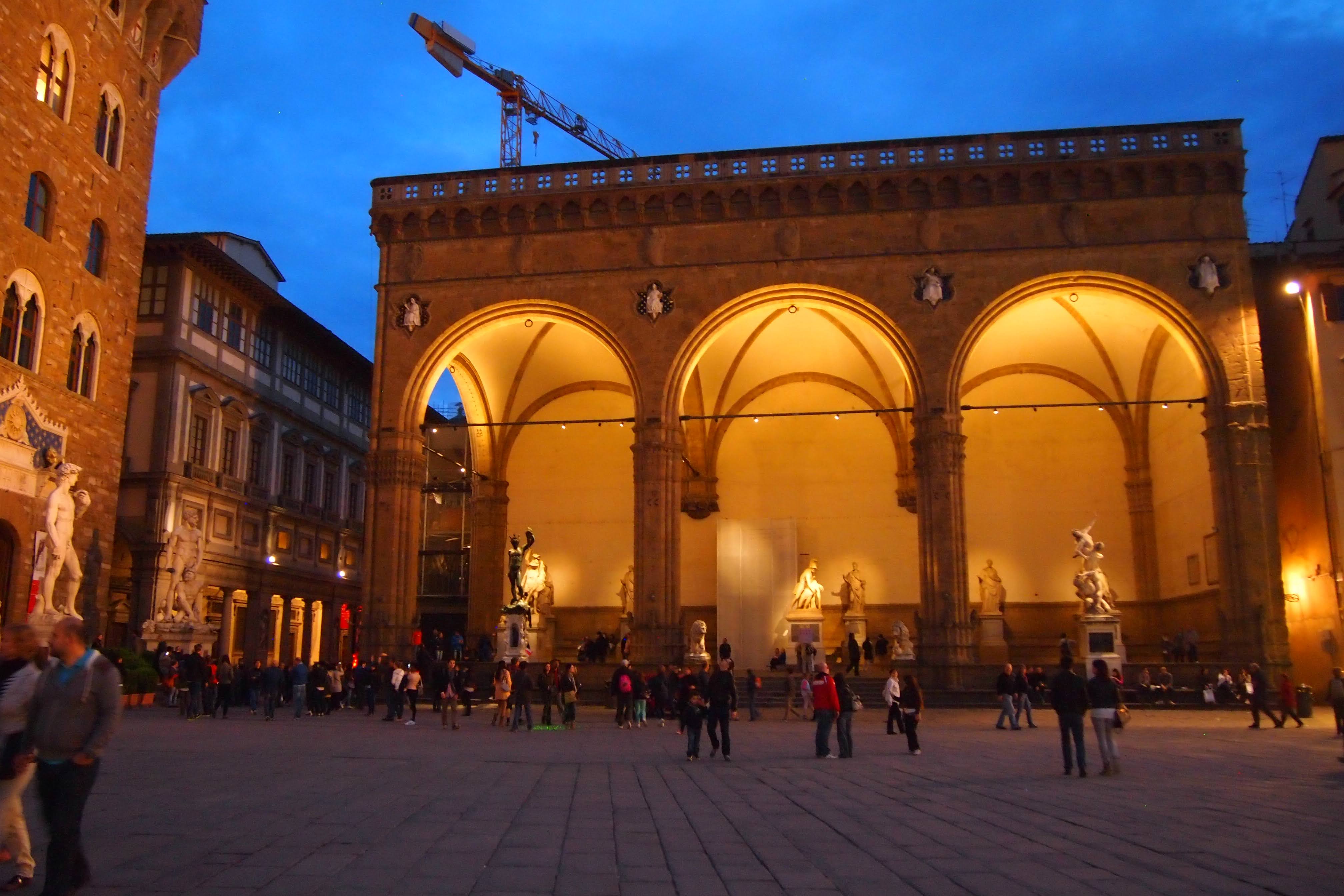
Places hold us sometimes long after we leave. Choose one city—somewhere that matters, somewhere you can return to every five years for the rest of your life. Kyoto, Florence, Buenos Aires, wherever calls to you. On your first visit, walk the streets with AR glasses and spatial video recording enabled. Record your spatial experience at touchpoints that resonate—the bridge where you watched sunset, the café where you wrote in your journal, the temple steps where you sat in silence, the corner where you got lost and found your way again. Speak into the camera if you have a message you want to record or record as a quiet spectator only. Geotag each video with precise coordinates and upload them to a tracking system that archives every memory by location.
Five years later, return to the same city. Wear AR glasses connected to your archive. As you walk the same streets, the system recognizes when you pass within range of a previous touchpoint. Memories from your previous trip appear in your field of vision—translucent, ghostlike, standing exactly where you stood five years ago. You see that moment you saw when you were twenty-five while you’re thirty. The city becomes a gallery of your visual memories, each one frozen at the coordinates where you left them.
Every five years, return and record again. By your third visit, two previous versions of your experience appear at each touchpoint. By your fifth visit, there are four. The AR system learns to curate—it doesn’t show you every memory, just the most emotionally significant ones. Over decades, the city fills with ghosts of memory at different ages, all occupying the same geography, all visible only through your glasses.
Walk the bridge at fifty and see your moments at thirty, thirty-five, forty, forty-five. The city has changed with time and so have you. The experiment makes that transformation visible, undeniable, archived in the exact locations where it happened. You’re not remembering your past—you’re standing inside it, watching it play out in real-time while your present self walks through.
By the time you’re seventy, the city will be crowded with your past. Every corner holds a younger version of your life speaking truths you’ve forgotten or outgrown. And you’ll understand: we don’t leave places behind. We layer ourselves onto them, one visit at a time, until the geography itself becomes proof that we were here, that we changed, that we kept returning to see who we’d turned into.
 Life Arts Laboratory