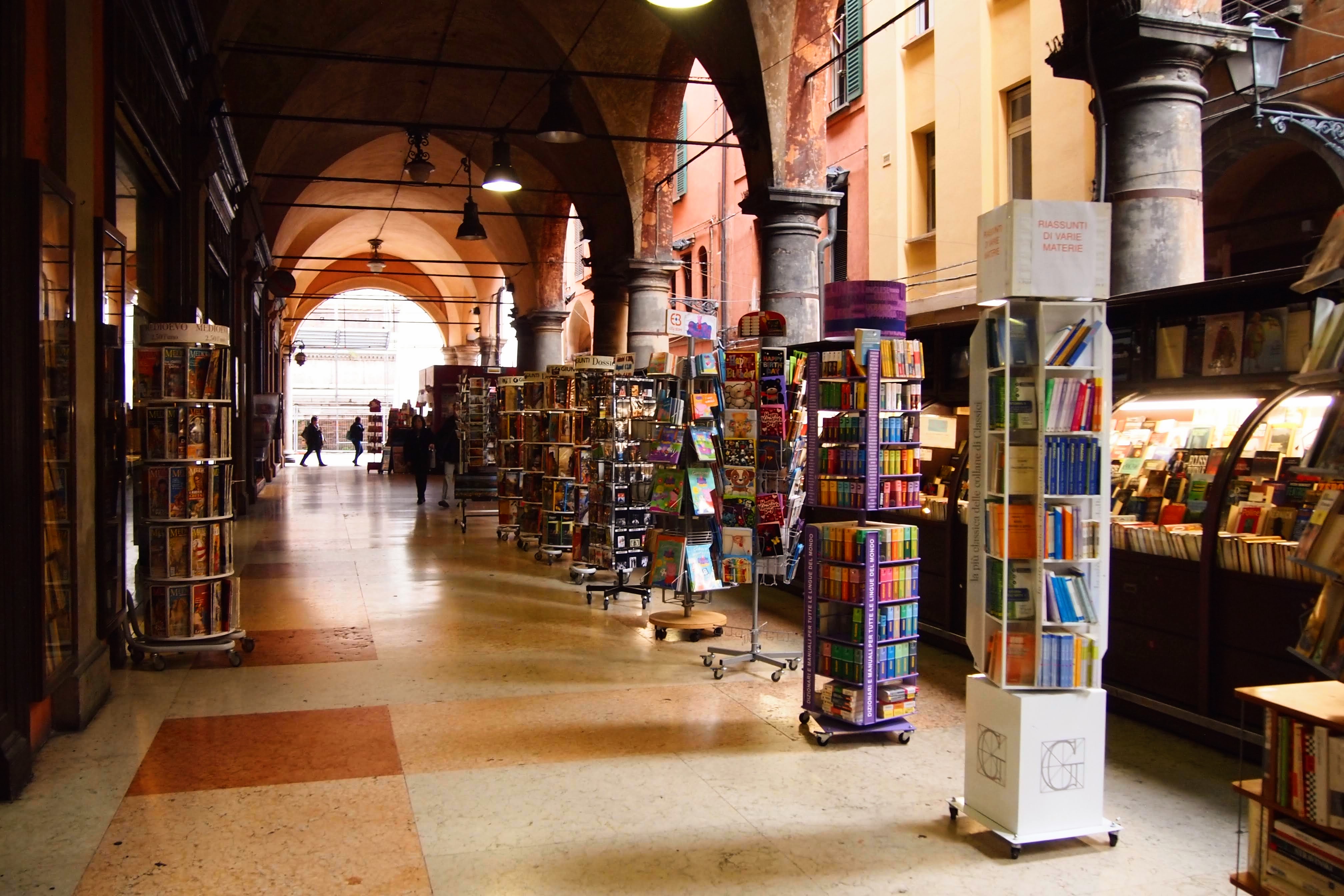
Go to a used bookstore on a weekday afternoon when it’s quiet and the aisles feel like sanctuaries. Bring a pen and a stack of small paper slips—nothing fancy, just torn notebook paper or index cards cut in half. Walk the stacks slowly. Let yourself browse without purpose. You’re not looking for books to buy. You’re looking for books that know your secrets.
Here’s how it works: when you find a book that mirrors something you’ve never said out loud, pull it from the shelf. If you’re carrying shame about a failed relationship, find a love story. If you’re terrified of your own ambition, find a biography of someone who succeeded. If you’re lonely in ways you can’t explain, find a book about connection or solitude. The book doesn’t have to be good. It just has to be about the thing you’re afraid to name.
Write your confession on the slip of paper. Be specific. Be honest. Write what you’d never say to a therapist, what you’d never post online, what you barely admit to yourself. “I’m afraid I’ll never be brave enough to leave.” “I resent the person I’m supposed to love most.” “I don’t know if I’ve ever felt anything real.” Write it in your own handwriting. Sign it or don’t. Date it or don’t. Just make it true.
Then slip the confession inside the book—tucked between pages 50 and 51, or wherever your hands naturally open it—and put the book back on the shelf. Don’t buy it. Don’t take it home. Leave it there for the next person who needs that exact story, who will open to that exact page and find your words waiting.
Do this with at least five books. Move through the store like you’re planting seeds. Romance, self-help, memoir, poetry, philosophy—match your confessions to the books that already hold the language for what you’re feeling. Leave evidence of yourself in the stories that understand you.
Here’s what happens: you start to see that your secrets aren’t unique. Every book on that shelf exists because someone else felt what you’re feeling and needed to write it down. Your confession becomes part of a conversation that’s been happening for centuries—strangers leaving truth for strangers, hoping someone will find it and feel less alone.
When you walk out of that bookstore, you’ll feel lighter. Not because you’ve been absolved, but because you’ve trusted that the right person will find the right book at the right time and read your words and think, “Oh. Me too.” You’ve turned your shame into a gift for someone you’ll never meet. You’ve made your pain useful.
Turns out confession isn’t about being heard—it’s about leaving proof that you existed, that you felt these things, and that the books we need most are the ones that already know our secrets before we open them.
 Life Arts Laboratory